Childhood trauma
Hillbilly ElegyChildhood trauma in J.D. Vance’s memoir is cumulative rather than confined to one crisis: years of conflict and instability shape his sense of safety, his school life, and his later behavior in intimate relationships. The narrative traces both the damage and its delayed recognition, setting the volatile homes of his childhood against the steadier life he eventually builds with Mamaw.
Formation in a Volatile Home
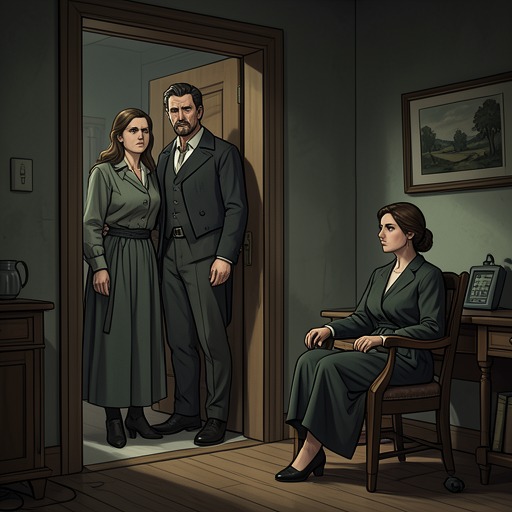
When J.D. Vance was a child, conflict between Mom and Bob Hamel increasingly filled the household. During one argument, he came downstairs after hearing a disturbance and stepped between them, striking Bob Hamel before bracing for a response that never came. The incident ended the fight, but it also gave a child an alarming model of how family disputes were handled. Vance later understood the episode not simply as an act of courage, but as part of growing up close to the spectacle of repeated conflict.
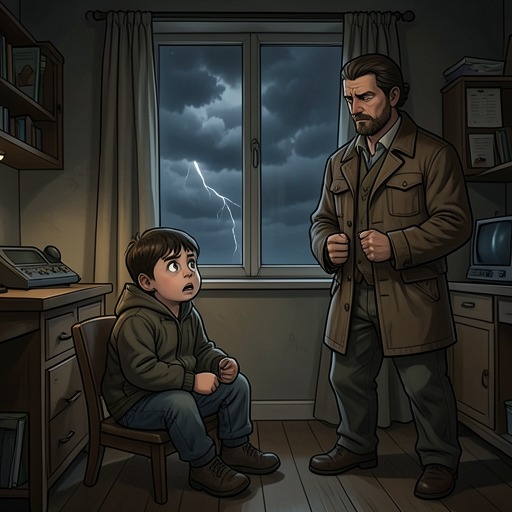
The effects extended beyond individual arguments. At night, Vance lay awake listening to household noise and anticipating what would happen when he returned home from school. He struggled to concentrate, felt tired and depressed during the school day, and dreaded the end-of-day bell because it meant going back to an unpredictable house. He could not bring himself to tell others what was happening, and even Mamaw did not understand how severe the situation had become; his slipping grades were the first visible sign.
His body and behavior changed alongside his school performance. Previously fit, he began gaining weight and frequently went to the school nurse with severe stomachaches. The memoir later connects those complaints to distress at home, noting that children under stress may express it through physical symptoms and changes in attention or school performance. At the time, Vance did not recognize that connection. He attributed his discomfort to ordinary explanations and to disliking his new hometown.
Even quiet periods offered little security. Mom and Bob no longer showed warmth toward one another, and minor disagreements or childhood mistakes could turn into major confrontations. Vance describes living in a state of alertness, never sure whether an ordinary moment would remain peaceful. Conflict was also visible in other households around him, which helped make adult hostility seem normal. The contrast came through Aunt Wee and Dan: their relative kindness initially struck him as strange, before he recognized that a home without constant yelling could be genuine.
Escalation and Delayed Recognition
The family’s instability continued through moves and changes in Mom’s relationships. Vance later set out the sequence: the family left Middletown, Ohio, for Preble County, Ohio, then moved between addresses on McKinley Street; different men became part of the household or potential plans for a new household. By the time Vance was a teenager, the changes had been compounded by drugs, a domestic-violence case, involvement from children’s services, and Papaw’s death. The repeated transitions left him wanting above all a home that would remain the same, rather than another adult or institution entering his life.
Papaw’s death brought an already strained family into a public crisis. In the days after the funeral, Mom, grieving and overwhelmed, lashed out at people close to her, including Lindsay and Matt. Vance went to try to calm her, but the situation had already drawn police to the scene. He then left with Lindsay in Mamaw’s care. At the time, he had not understood the depth of the crisis taking shape; in retrospect, Papaw’s death made visible how much instability had been gathering beneath the surface.
At fourteen, Vance described feeling trapped. Papaw was gone, Mamaw seemed physically frail, and the other relatives he might have turned to had responsibilities of their own. He had experienced chaos, violence, and drugs before, but now felt he had no dependable route out. When asked what he would do, he said he would probably live with his father. The episode shows how the loss of a family anchor changed instability from a familiar condition into a threat to his future care and security.
Adaptation and Repetition
Vance’s response to conflict changed over time. As a young child, he wanted to hide, leave the house, or disappear; eventually, he began moving closer to arguments to listen. The tension that had frightened him also became compelling, and he compared the attraction to a drug. That reversal complicates the image of the child who intervened in the fight between Mom and Bob: he recognized that proximity to the conflict was not only protective or brave, but also a learned way of engaging with a household organized around drama.
The pattern resurfaced in Vance’s relationship with Usha Vance. When disagreements arose, he tended to withdraw or to yell, and he recognized that he was reproducing behavior he had condemned in Mom. During a trip to Washington, D.C., after an interview went poorly, he left their hotel room following an argument. As he walked through the city, he remembered Mom leaving with him and their dog after a fight with Bob Hamel, and recalled Mom’s childhood escapes from an alcoholic father. He understood the repeated flight across generations as a family pattern, not an isolated choice.
Near Ford’s Theatre, Vance encountered Usha, who had followed him because she was worried about him. He apologized; she told him that leaving was not an acceptable way to handle conflict and that he needed to talk with her. Her response gave him an experience different from the conflict he had learned at home: an argument could be followed by concern, conversation, and reconciliation rather than another escalation or departure. The scene marks recognition of the inherited pattern and a chance to respond differently.
Stability and Consequences
Mamaw’s home offered a practical counterpoint to the years of change. After Vance moved in with her permanently, he spent the ends of tenth, eleventh, and twelfth grades in the same house with the same person. The memoir links that continuity to concrete changes: he lost interest in drugs, his grades improved, he excelled on the SAT, and teachers helped him develop a love of learning. He also found work, formed lasting friendships, and gained a clearer sense of what he wanted from his own life.
Vance does not reduce those changes to one explanation. A stable place to do homework, freedom from household fighting, and time to build friendships all mattered; so did the opportunity to focus on school and work without each new relationship decision changing where he would live. He emphasizes his remembered happiness and the relief of knowing where he would be living the next month. In the memoir’s account, security is not an abstract virtue but a daily condition that makes attention, learning, and future plans possible.
The significance of that stability is sharpened by the years before it. Vance recalls the anxiety that returns even when he writes about that period later in life, and he recognizes the same instability in the experience of a contemporary mother and her daughter. The daughter’s plea for the changing relationships to stop recalled his own long desire for a home that would stay put. The comparison does not make the children’s circumstances identical; it shows how adult relationship turmoil can become a child’s enduring uncertainty about home.
Inheritance, Recognition, and Change
Vance’s retrospective account also complicates any simple division between damaged and undamaged families. Aunt Wee told him that she had once prepared herself physically for arguments with Dan, although their marriage was among the most successful he knew and remained close years later. Lindsay described responding to conflict with Kevin by insulting him and anticipating that he would leave; nevertheless, they remained married. Their experiences helped Vance understand that feeling constantly on guard could persist even in relationships that did not follow the childhood pattern to its endpoint.
The memoir frames childhood trauma as both an experience and a learned set of expectations: conflict can seem ordinary, closeness can trigger alarm, and escape can appear easier than conversation. Yet Vance’s account does not treat those expectations as destiny. Understanding his past and speaking with people who understood it gave him hope and resolve. Mamaw’s sustained care provided the stability that had been missing, while his later recognition of inherited behavior opened the possibility of responding differently. The arc moves from a child who could not escape the conflict around him to an adult able to name its recurrence and begin to interrupt it.